Astrophotography
Cameras, exposures and processing, from a phone on a tripod to a guided deep-sky rig.
 Astrophotography
How to Fix an Inverted Image in a Telescope
Identify the type of telescope you have. For Refractors and Cassegrains connect a star diagonal to your eyepiece. To improve or "erect" the image, use an…
 Astrophotography
Exposure Time for Astrophotography With Calculator
Astrophotography is an amazing art that allows us to have a glimpse of the depths of the universe. Through it, we are able to capture wonderful celestial…
 Astrophotography
CCD VS CMOS Astrophotography Compared- What's the Difference?
At their core, image sensors are the heart of your camera. They're responsible for converting light into electrical signals, which can then be processed…
 Astrophotography
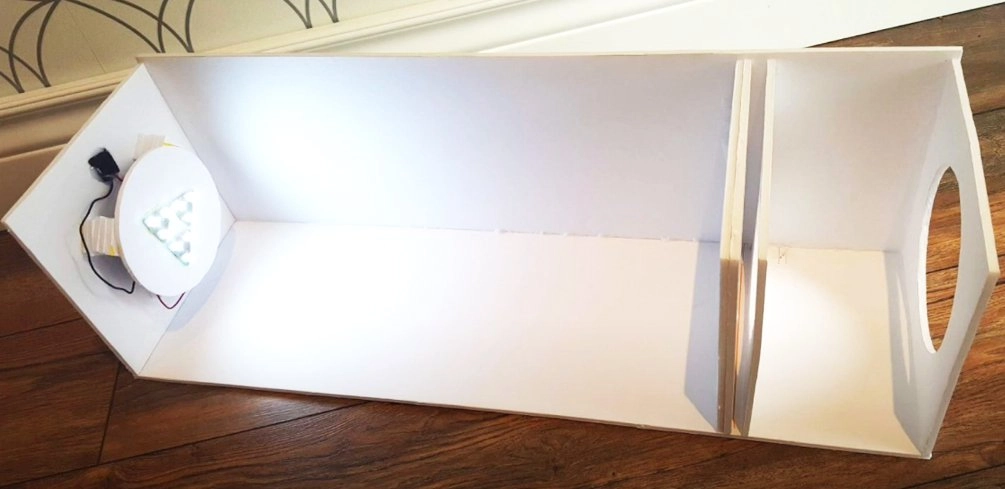
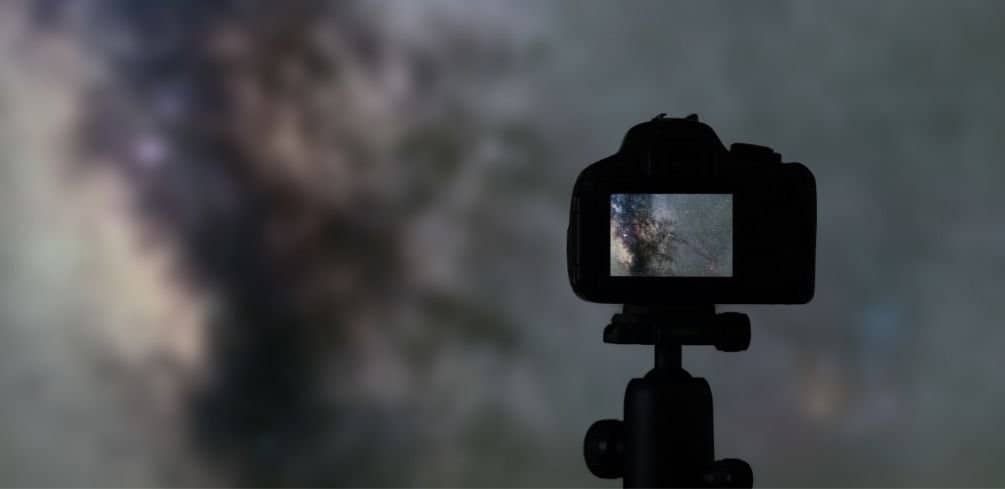
How to Make a Flat Frame Lightbox for Astrophotography?
Did you know you can make an astrophotography flat frame lightbox with the following simple steps?
 Astrophotography
How Many Dark Frames Astrophotography?
For an imaging project, I've had good results with 10 to 15 dark frames. Some photographers prefer way more, up to 50 dark frames on a photograph, but I…
 Astrophotography
Unlocking the Secrets of Atmospheric Dispersion Correctors (ADCs)
When it comes to astrophotography, the atmospheric dispersion corrector (ADC) is a must-have tool for achieving high-quality images. ADCs are designed to…
 Astrophotography
How to Set Up an Equatorial Mount Southern Hemisphere
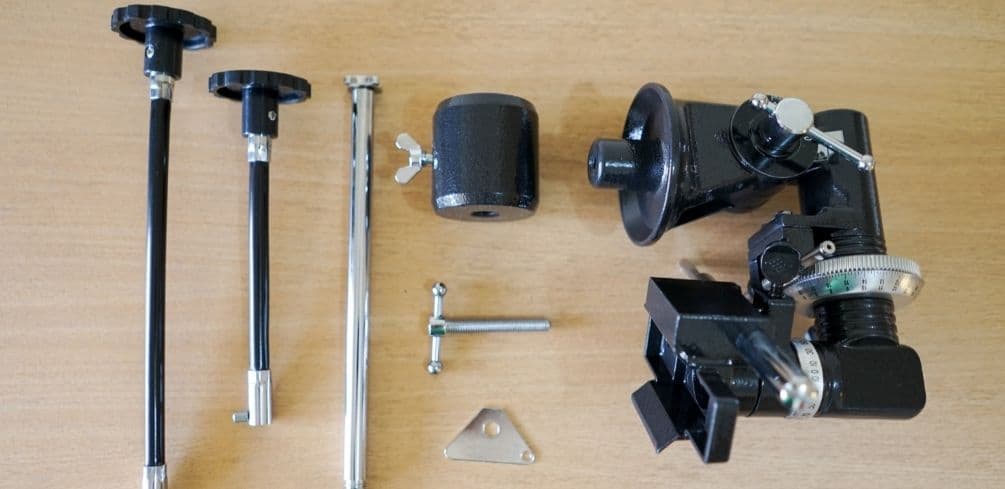
Set up the mount . You will need to find a flat surface with good "elevation." Find the latitude of your position. There are various online tools you can…
 Astrophotography
A Guide To Astrophotography Without Tracking
The camera must have manual settings for exposure control—this allows you to adjust the shutter speed, aperture, and ISO according to your requirements.
 Astrophotography
Can you Polar Align without Polaris?
Yes. You can polar align a telescope's polar axis without having a visual on Polaris. Use the following steps to adjust for polar alignment without Polaris.
 Buyer Guides
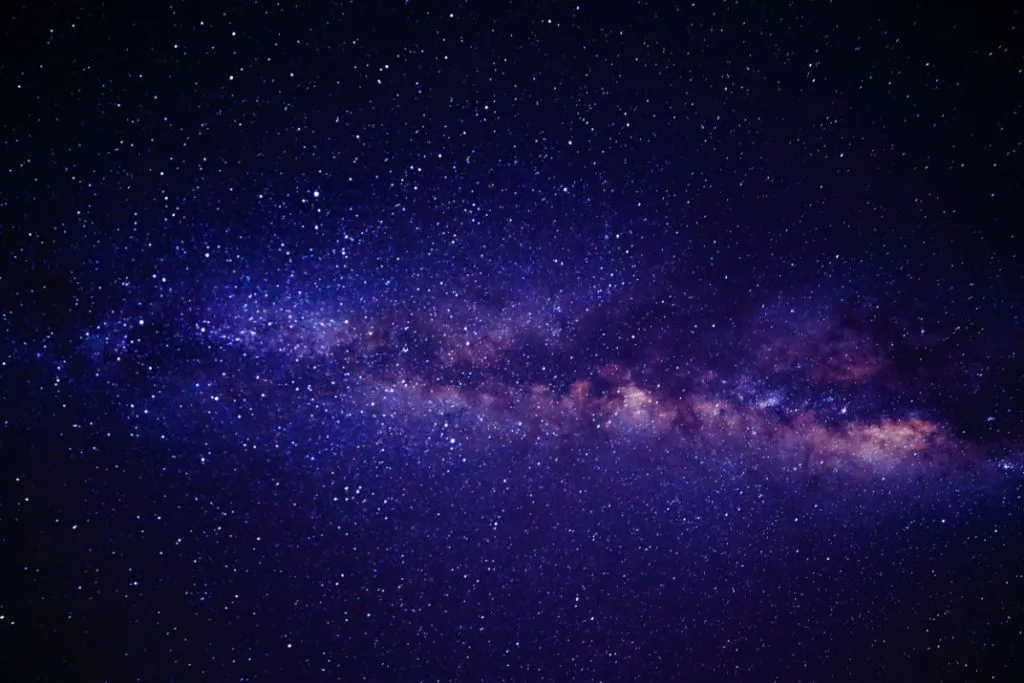
What Telescope Would be Best for DSO Astrophotography?
The night sky has always captivated human imagination with its shimmering stars and the enigmatic beauty of distant galaxies and other celestial objects.…
 Astrophotography
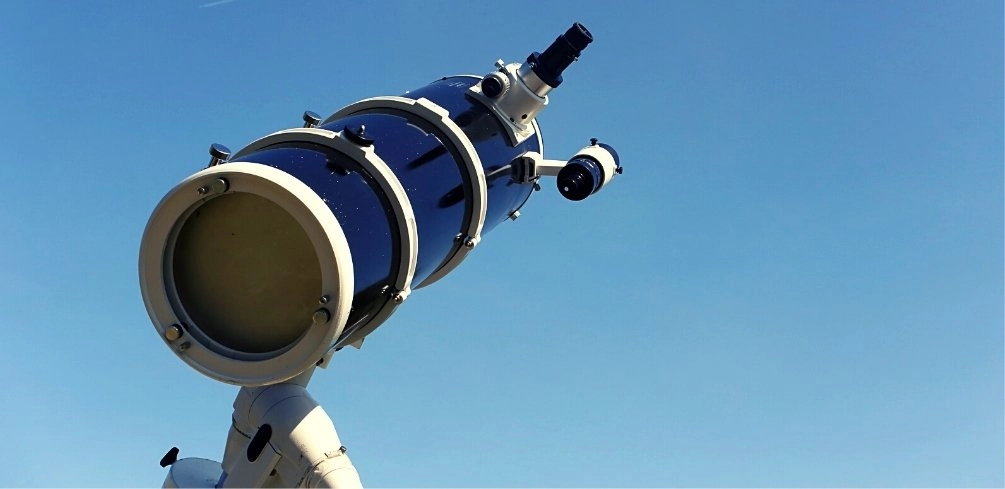
Reflector vs. Refractor Telescope Pros and Cons
Anyone venturing into astronomy or astrophotography should understand reflector vs. refractor telescope pros and cons. Both telescopes have their uses and…
 Astrophotography
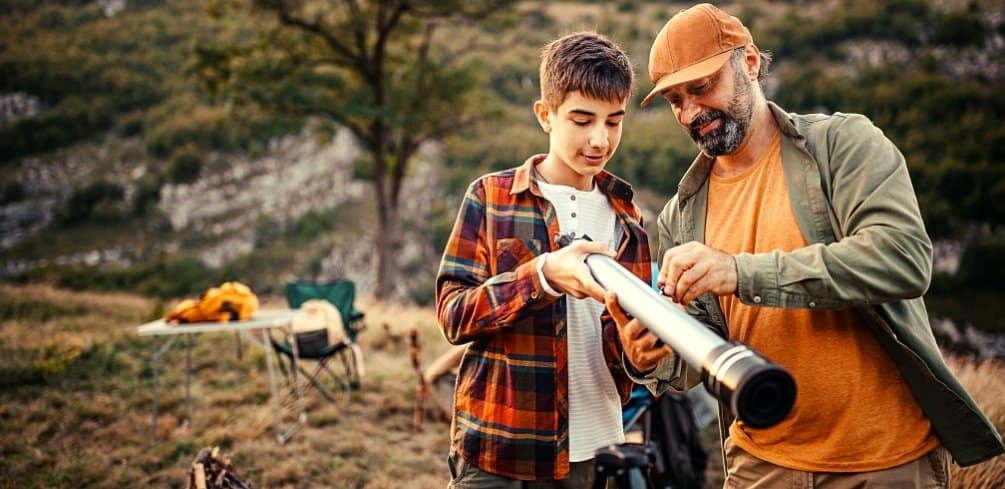
How to Autoguide Telescope without a Computer
Autoguiding a telescope without a computer is possible by the use of Stand-Alone Guiders. You can also opt for the DSLR which has the capability of…
 Astrophotography
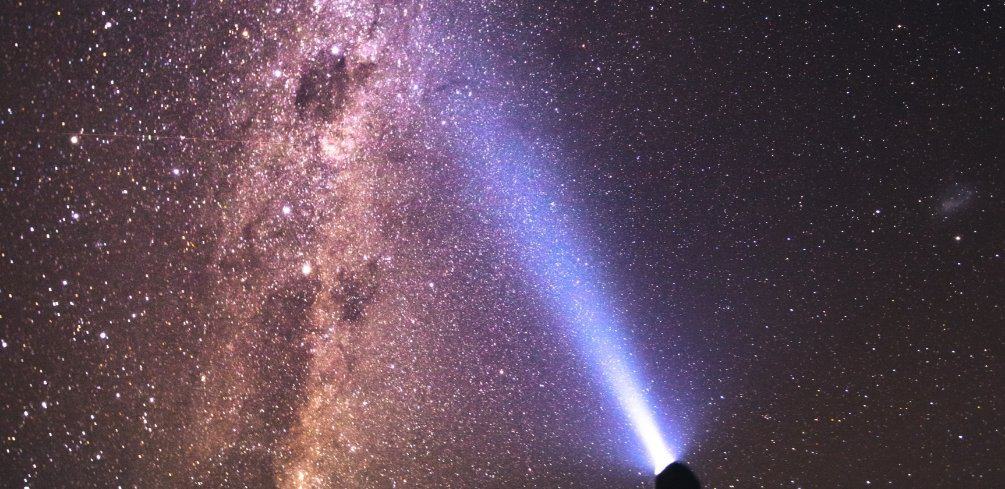
How to Balance a Telescope for Astrophotography
Make sure your telescope is on a stable surface. Ensure that all three legs are planted firmly into the ground at their full length. Use a bubble level to…
 Astrophotography
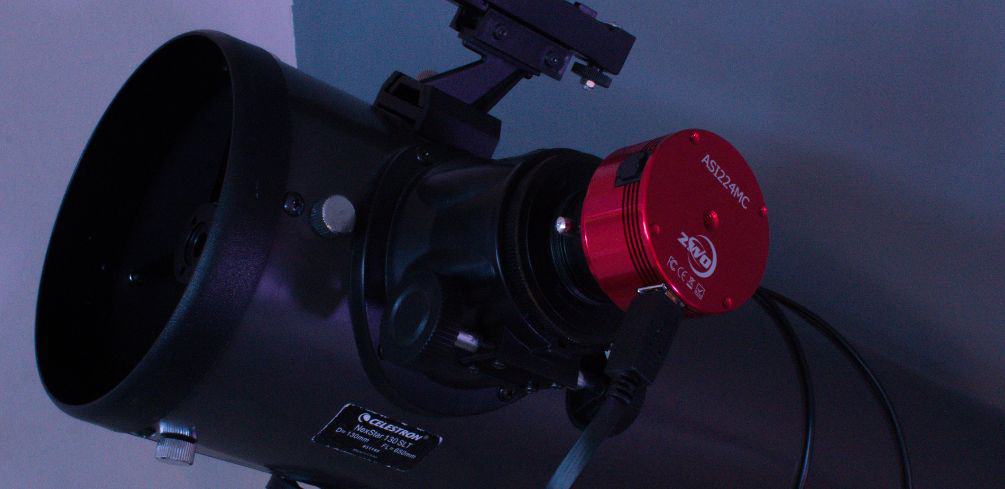
Eyepiece Projection vs Prime Focus- Which is Better for Astro-imaging?
The prime focus approach is preferred if you have a high-quality telescope and camera with flat field characteristics. Eyepiece projection is a simpler…
 Astrophotography
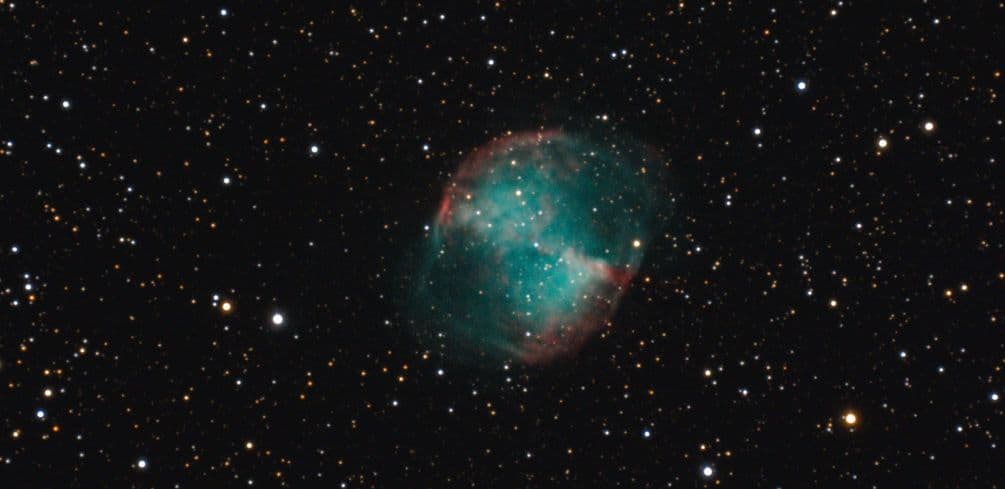
What Can You See With a 90mm Telescope?
With a 90mm telescope, you can see some of the most famous objects in the night sky, including the Moon, the Andromeda galaxy, the great cluster in…
 Astrophotography
5 Best Summer Astrophotography Targets
Or when shooting the Andromeda Galaxy—our closest galactic neighbor—it's like creating a visual echo from two million years ago.
 Astrophotography
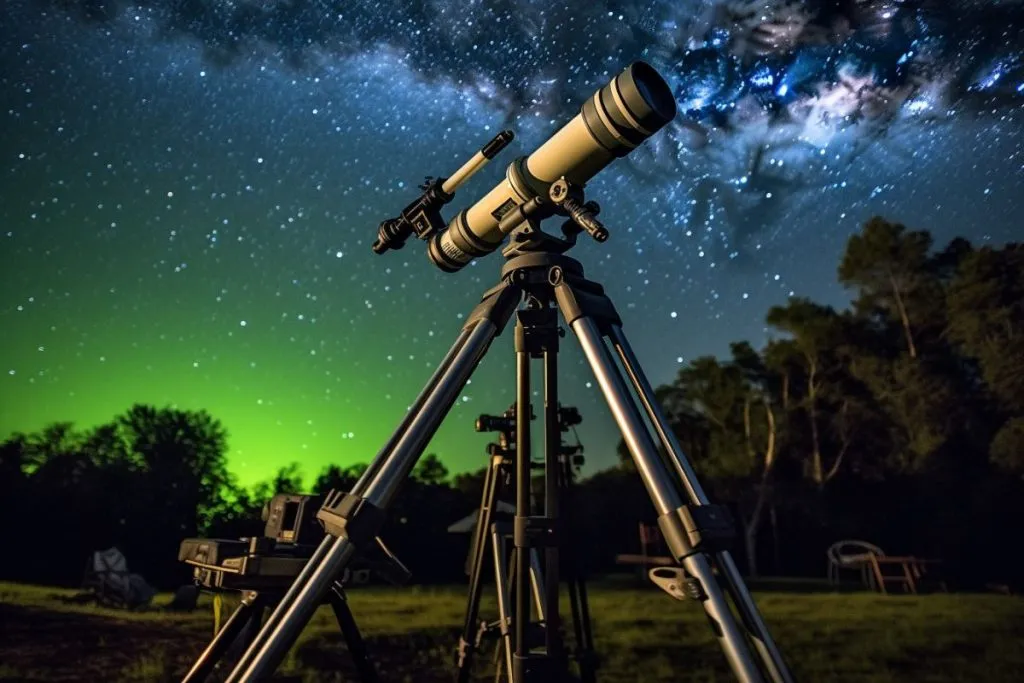
How To Do Astrophotography On a Budget
However, don't be lured by high megapixel counts alone – while important for clarity and detail in daytime photos, too many pixels can actually reduce…
 Astrophotography
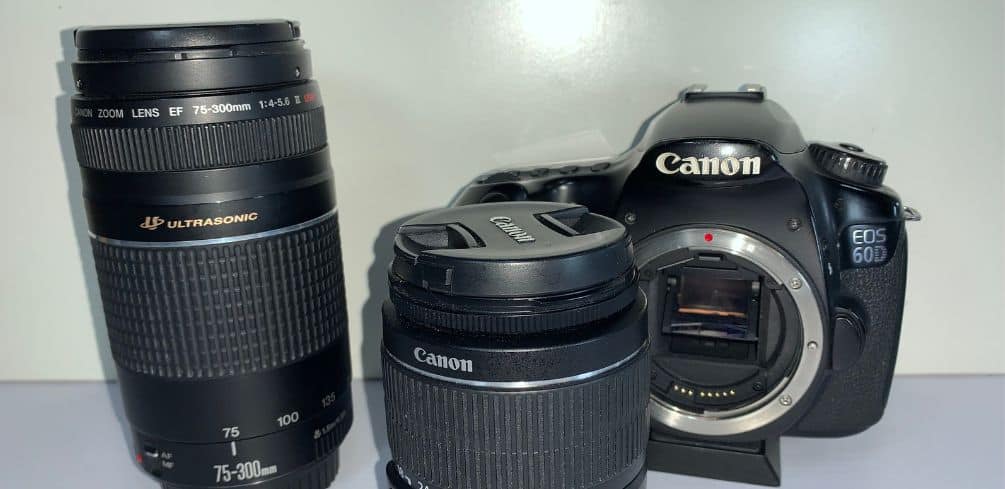
How to Choose the Best Focal Ratio for Astrophotography
A long focal ratio gives a narrower field of view and higher magnification. This is great for observing the moon, planets, double stars, etc. An ideal…